

Ransomware attacks are a growing threat to businesses everywhere. 59% of organizations were hit by ransomware in 2023. If your business isn’t prepared, it’s time to act. These attacks can have devastating consequences, and it’s crucial to understand what ransomware is and how to protect your business from it.
What is ransomware?
Ransomware is a type of malicious software that locks you out of your own devices or data until you pay a ransom, usually demanded in cryptocurrency. Imagine trying to access your computer one day and finding all your files encrypted, with a message demanding payment to get them back. That’s ransomware. Even if you don’t pay the ransom, you’ll still face significant downtime and costs as you try to recover your data.
How does ransomware invade your systems?
34% of ransomware attacks begin with a phishing email or scam. Email is a commonly used communication channel within companies. Unfortunately, hackers often take advantage of this by sending ransomware messages through this channel. They usually impersonate the company and trick employees into giving away their account logins or clicking on a link that contains malware. These links can be hard to identify, and once the hackers gain access, they can start their malicious activities. That’s why it’s crucial to educate your employees on safe browsing and email practices.
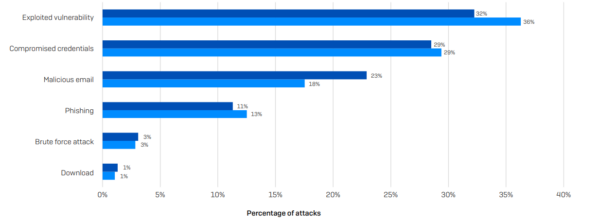
Weak passwords and poor security practices make it even easier for ransomware to spread. It can also come from visiting compromised websites or clicking on malicious ads. Once ransomware gets into your network, it can quickly spread and lock up every device it touches.
Why every business is a target
Every business is a potential target, regardless of size. Thinking your business is too small to be noticed is a mistake. Small businesses often have weaker security measures, making them easy prey for cybercriminals. With the rise of Ransomware as a Service (RaaS), even amateur hackers can launch sophisticated attacks.
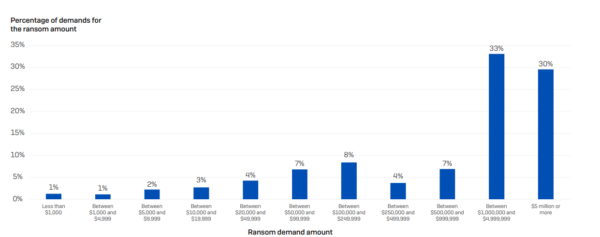
Consider these numbers: 63% of ransom demands are for $1M or more, with 30% of demands for $5M or more. It typically costs about $2.7 million to recover from a ransomware attack. Most businesses can’t afford that, and beyond the financial hit, there’s the loss of productivity and trust that comes with a ransomware attack.
Protecting your business from ransomware is crucial. Start by educating your team about the risks and how to avoid phishing scams. Use strong, unique passwords and change them regularly. Invest in good cybersecurity measures and regularly back up your data, storing it offline.
While no solution is foolproof, taking these steps can significantly reduce your risk. Act now and contact our team to safeguard your business against ransomware attacks.
Love This Article? Share It!

Zero Trust is no longer just for large enterprises. For small businesses, it offers a practical way to limit access, reduce risk, and protect critical data as cloud tools, remote work, and modern threats change how security needs to work.

Learn how SPF, DKIM, and DMARC work together to stop email spoofing and protect your business from domain impersonation.

QR code scams are becoming more common because they can bypass traditional email security. Learn how quishing works, how to recognize it, and how to protect your business.

A cyberattack can move quickly, and the first hour matters. This guide explains what to do first, what mistakes to avoid, who to call, and how to protect your business from further damage.

AI note-takers can save time, but they also create stored records of business conversations. Before using them in sensitive meetings, know where the data goes, who can access it, and when consent is required.

Fix messy offboarding by cleaning up SaaS accounts, shared logins, personal devices, and client handoffs before they create risk.

Older Microsoft 365 tenants can carry settings that no longer match today’s security defaults. These five checks help you find quiet gaps before they create bigger risk.

Microsoft 365 Copilot works with the permissions your employees already have. Before turning it on, review old access, shared files, Teams membership, and sensitivity labels so confidential information does not surface where it should not.

Cloud-only is not always the smartest path. This article explains when a hybrid cloud strategy can help businesses control costs, improve performance, and keep the right systems closer to home.

Most offboarding checklists cover email and devices, but SaaS access is often missed. Learn where zombie accounts hide and how to remove them before they create security risk.
STAY IN THE LOOP
Subscribe to our free newsletter.